Sustainable Fashion : Why Handloom is Future
Posted on August 17, 2025
Have you ever thought about this?
In the current generation, where climate change and ethical consumption are tailoring consumer behaviour, and fashion is fanatically transforming.
As fashion is changing by time, and it needs to be changed but with the ongoing concern about pollution, climate change, and unfair labour work, it makes people ask – From where do my clothes are coming, and how are they made?
One and only answer that stands out clearly is handloom textiles.
This old age weaving method by hand is not only eco-friendly but also durable, beautiful, and deeply rooted to the tradition.
Through this blog, we will understand why handloom is becoming the future of sustainable fashion and how the combination of tradition and innovation works.
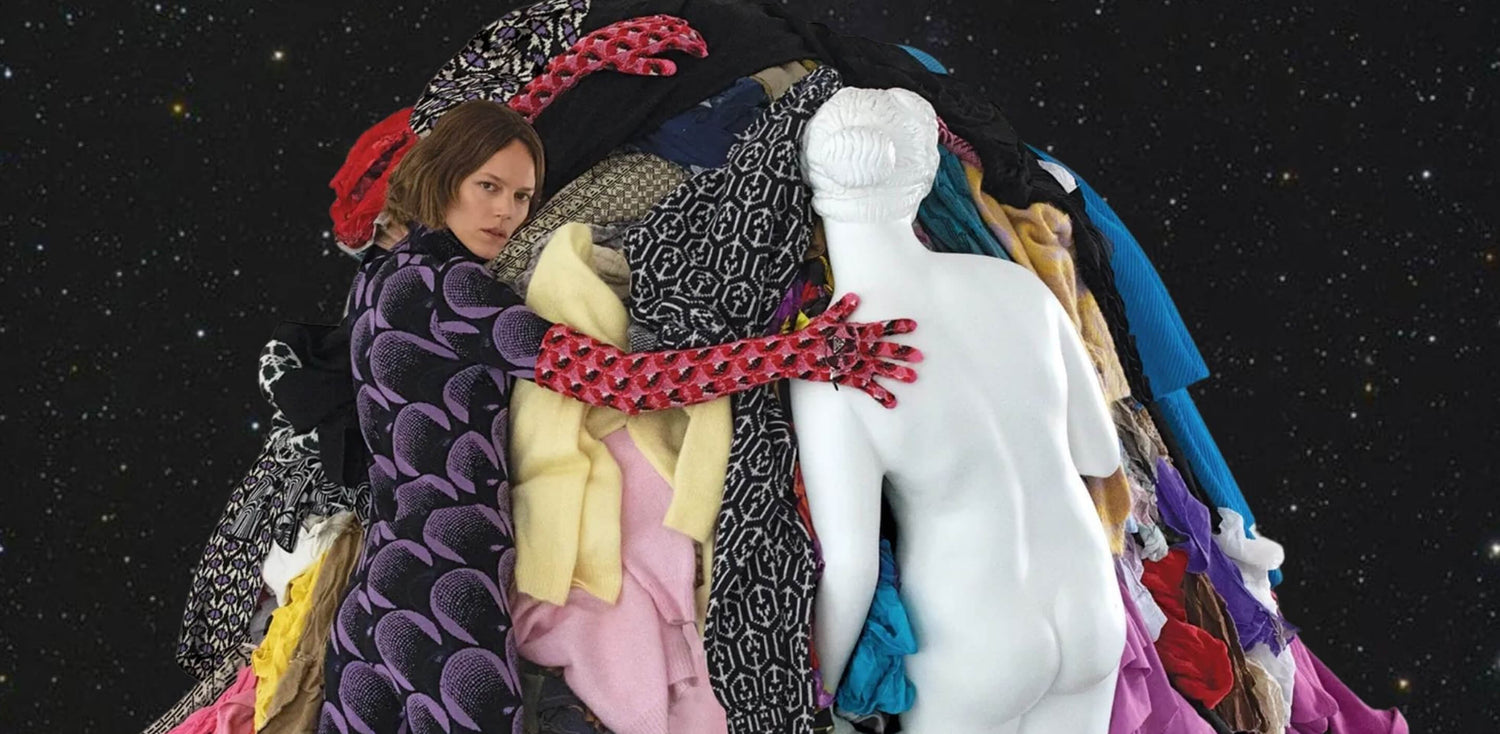
As we already know, the most polluting industry in the world is – fashion industry because it uses water, energy, and chemicals which creates tons of waste in the environment.
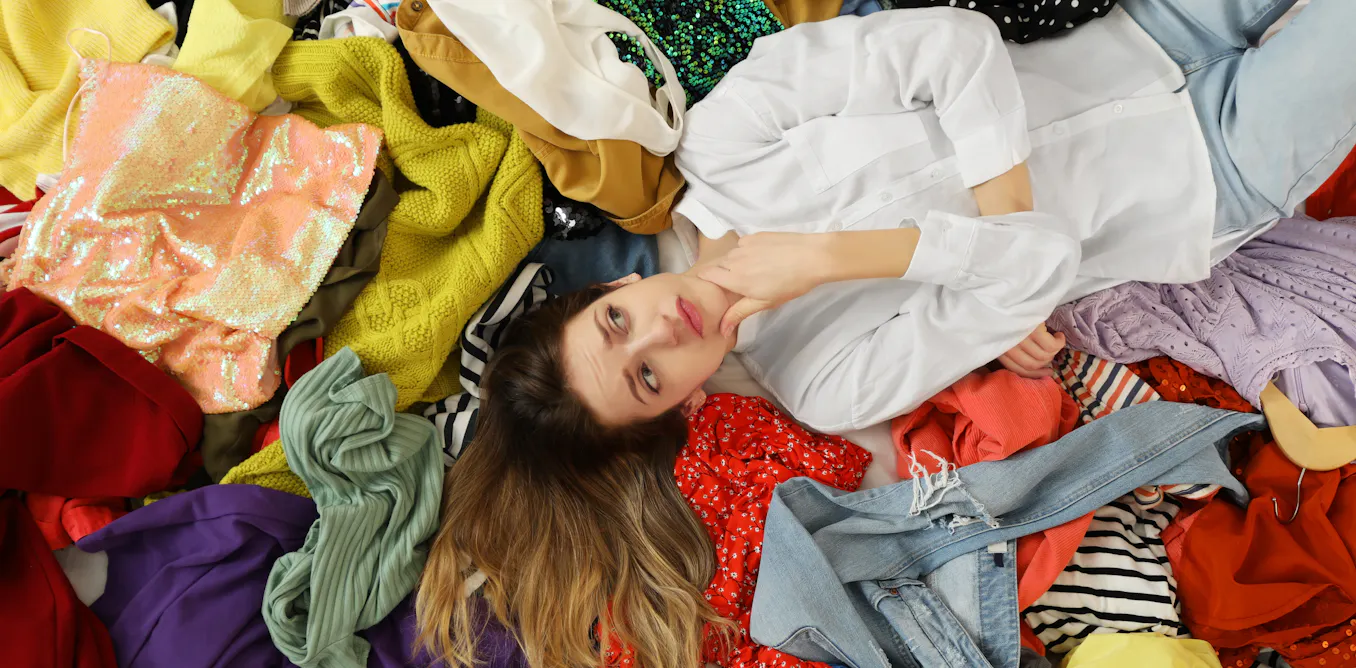
Because of this reason,we are in that state of mind where clothes are often made quickly and cheap so throw them away after just a few wears.
Here comes the solution as sustainable fashion, which focuses on making clothes that are good for people and the environment. For example – handloom fits perfectly in this idea as it uses natural fibers, less electricity, and strongly supports fair work conditions.
The actual meaning of fast fashion is producing lots of clothes quickly and cheaply, where it can be affordable for consumers, but there is a hidden cost which is high.
Here are some major issues to consider:-
But if we talk about handlooms, it is different due to its slowness, thoughtfulness and to make it durable. Every piece of handloom is made with care, with the help of sustainable practices.
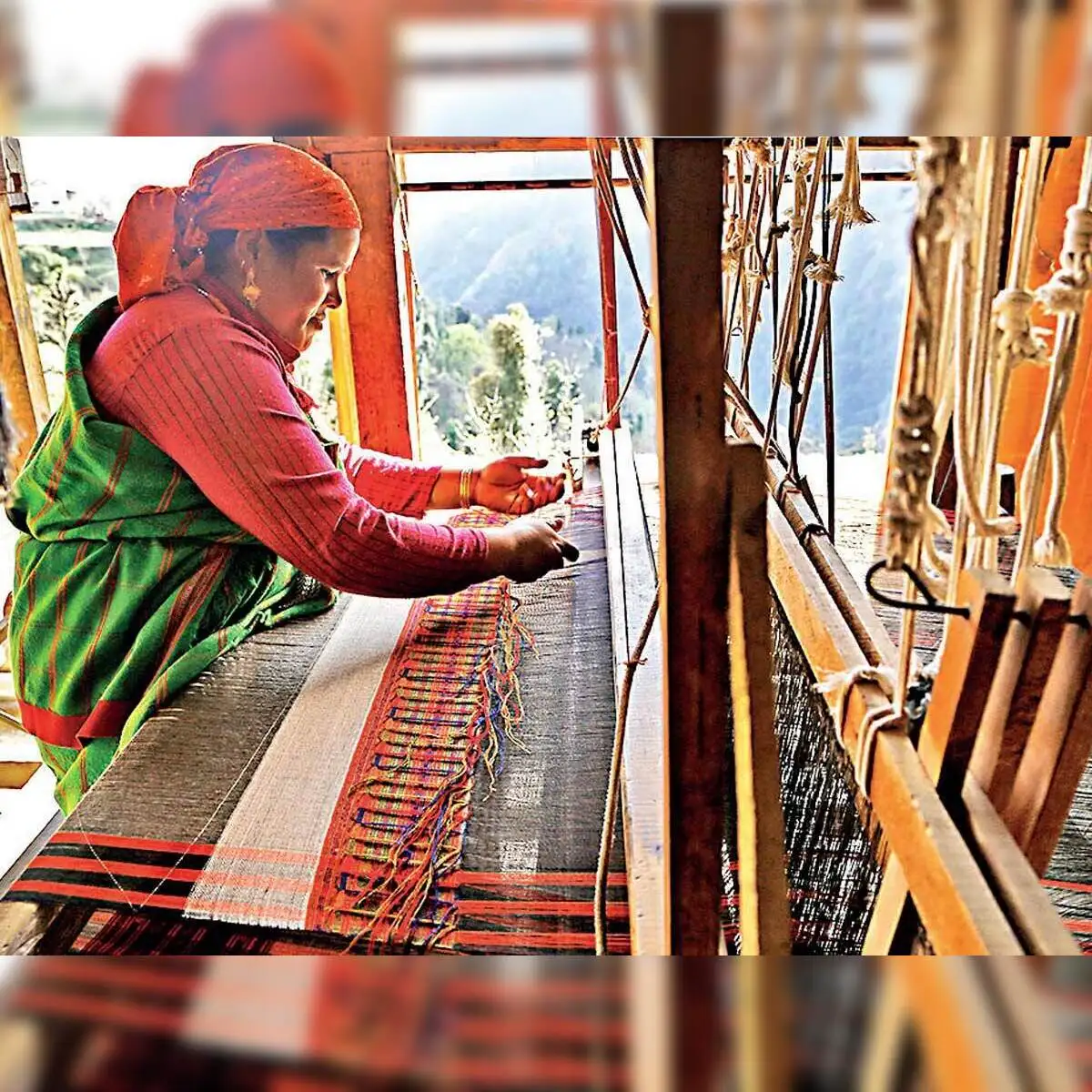
Handloom weaving is historically famous and the skill passed down through generation to generation in countries like India and Bangladesh.
The most amazing part is each fabric tells a story, whether it is a special pattern, hand-dyed colors, or a region specific unique technique.
For instance, khadi, ikat, and jamdani, are made up of simple tools and human hands without using machines – and they don’t just look beautiful but also natural, breathable, and eco-friendly.
As per the recent research, in the Australian Market these fabrics are considered both sustainable and stylish. Many people across the world are appreciating this and value the handmood textiles.
We can’t compare it with mass-production clothing because handloom fabric carries history, identity, and most important emotional value.
Handlooms are not about old fashioned clothing, but for the fact many designers are now using handlooms to make trendy clothes that can match today’s taste of fashion.
Here are some experiments designers are working on:-
This is an interesting and a big step in respect to handloom. It is not just for traditional clothing but it can be global, modern, and fashion forward.
Handloom is a solution, it is more than a trend because most people are looking for eco-friendly clothes which should not affect the environment and can offer a better way to dress.
Below are the interesting reasons why it is the future:-
Choosing handloom over any other fabrics is not just happening in India, but also in the markets of Australia, Europe, and the United States. They are also growing interest in handcrafted and sustainable fashion of clothing.
While summing up this blog, we have understood that fashion doesn’t have to harm the environment to be beautiful. Handloom offers a solution for sustainability that can match culture, support artisans, and prioritise the environment.
Simply by opting handloom, we are not just making a style statement but also supporting standing up for the environment, people, and for a more thoughtful way of living life.
Curious to explore more about handlooms?
Teowarang, Janet Rine, Michael Nathaniel Kurniawan, and Carla Van Lunn. 2022. “Creating a Sustainable Fashion Collection Made of Handloom Textile for the Australian Market.” Corak 11 (1): 23–40. https://doi.org/10.24821/corak.v11i1.6842.